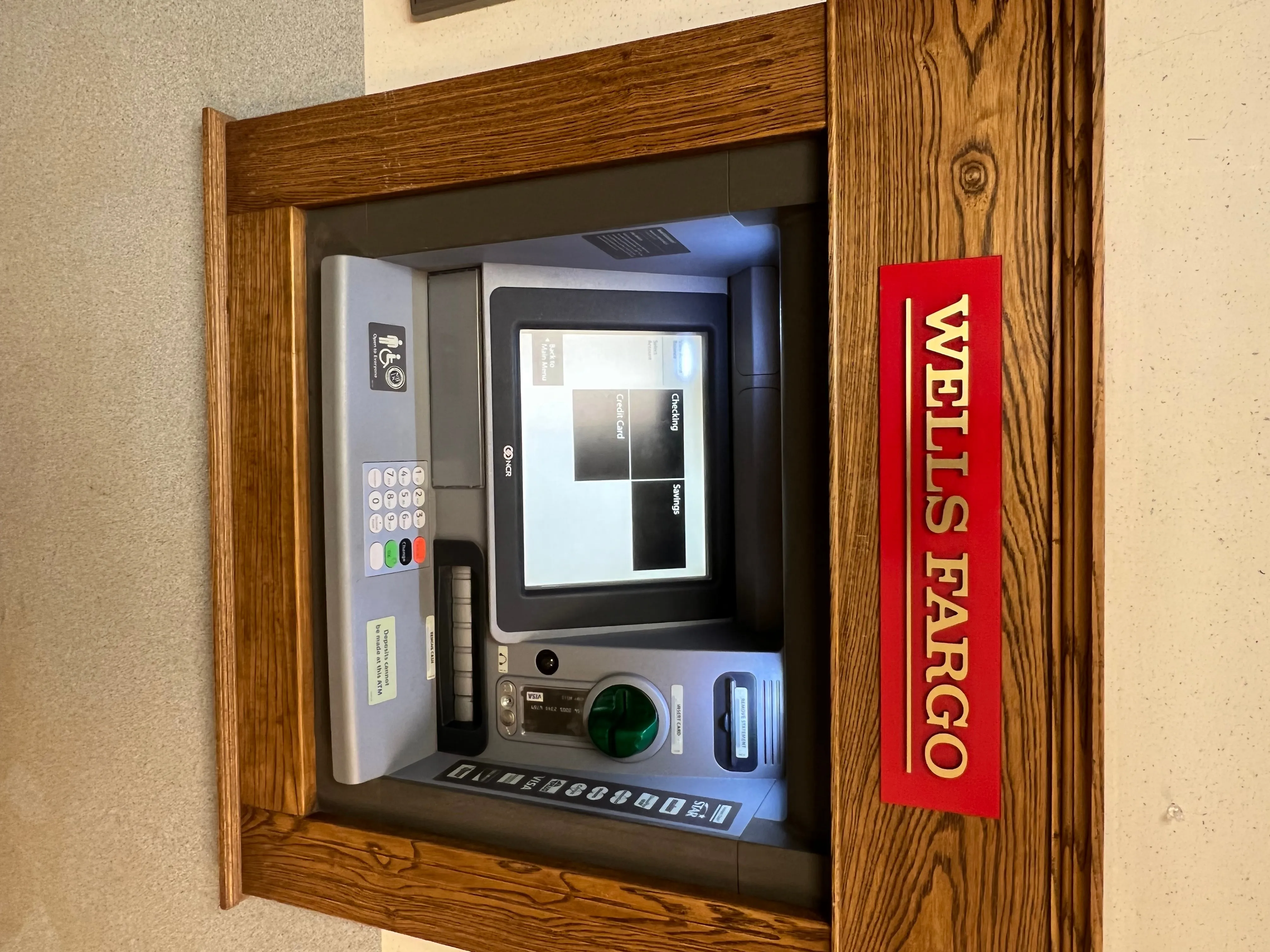
There is one cash machine in Antarctica. There are two machines in the room; only one of them works, and it works because the other one is being slowly disassembled to keep it running.
Wells Fargo installed the pair at McMurdo Station in 1998, at the request of a client who agreed to subsidise the running of them, and they have been the southernmost ATMs in the world ever since — a Guinness record the bank cites itself. They are ordinary NCR machines doing an ordinary job. You put in a card, you take out U.S. dollars, you spend them in the station store. Nothing about the transaction is unusual. Everything about the arrangement behind it is.
The second machine is not a backup in the sense of a spare that gets switched on. It is a parts supply. When the working ATM fails, the technicians take what they need out of the other one, and if the first is beyond saving, the roles swap. There is no next-day courier at 77°51′ south, so the only sensible inventory strategy is to keep a whole identical machine on hand and eat it.
Servicing runs on a two-year cycle, and the qualifying process for the job is the detail that sticks. A Wells Fargo technician flying to McMurdo goes to New Zealand first for a physical, a dental check and a psychological evaluation — because if weather closes in while they are on the ice, they may be there for the next six months. That is the real cost of replacing a belt and a cash cartridge at the bottom of the world.
The cash itself never arrives. There is no armoured car service in Antarctica, so the machines are cash recyclers: money withdrawn is spent at the station, and trained station staff put it back in. The same notes circulate between the till and the ATM more or less indefinitely. The machines are surcharge-free, which given the circumstances feels like the least Wells Fargo could do.
One caveat, since it is the kind of thing that ages: the operational detail here comes from a Wells Fargo interview rather than a current bank statement, and the hardware has already been replaced once since 1998. Populations move too — McMurdo runs past a thousand people in the austral summer and under two hundred in winter. What has not changed is the fixture: one ATM, one donor, and a technician who has to be cleared to be stranded before he is allowed to fix it.